
Gold Plated vs. Gold Filled: Understanding the Key Differences
Gold-filled is one of the best materials for quality jewelry findings because it provides a genuine layer of karat gold, much greater durability than ordinary gold plating, and a substantially lower price than solid gold.
The name is confusing: gold-filled is not filled with gold. It consists of a base-metal core—usually jeweler’s brass—covered with a comparatively substantial layer of real karat gold.
What exactly is gold-filled?
In the United States, material described as gold-filled generally has:
- A core of brass or another base metal
- An outer layer of genuine gold alloy
- Gold mechanically bonded to the core using heat and pressure
- Gold covering the significant exterior surfaces
- A gold layer representing at least 1/20, or 5%, of the item’s metal weight
The Federal Trade Commission says the term “Gold Filled” may be used when the mechanically applied gold-alloy layer accounts for at least 1/20 of the weight of the metal in the article. The gold must be at least 10 karat and reasonably durable. The karat fineness must accompany the description. FTC Jewelry Guides, 16 CFR §23.3
Most gold-filled jewelry findings sold in the United States are:
- 1/20 14K gold-filled
- Sometimes written 1/20 14K GF
- Less commonly, 1/20 12K gold-filled
“1/20 14K gold-filled” means that at least 1/20 of the metal weight is 14-karat gold alloy. It does not mean that 5% of the entire item is pure gold.
Because 14K gold is approximately 58.3% pure gold: 5%×58.3%≈2.92%
Therefore, a 1/20 14K gold-filled article contains approximately 2.9% pure gold by metal weight, before any permitted exclusions or manufacturing tolerances.
How gold-filled material is made
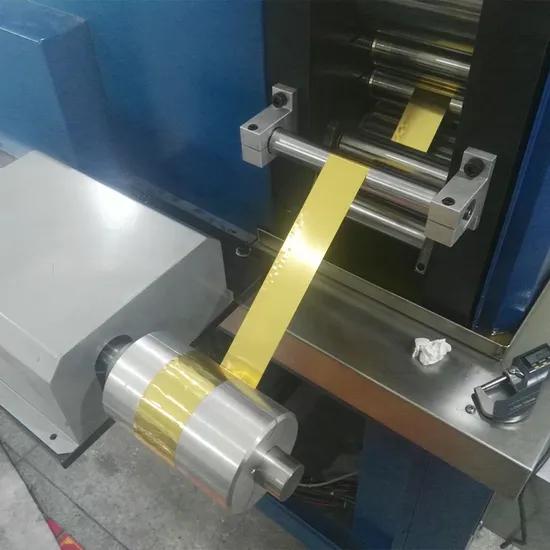
Gold-filled findings usually begin as composite sheet, wire or tubing.
1. The metals are prepared
A manufacturer starts with:
- A base-metal core, usually brass
- A carefully measured sheet of karat gold alloy
The gold layer may be applied to one side or both sides, depending on the product and manufacturing method.
2. The surfaces are cleaned
The mating surfaces must be extremely clean. Oils, oxides and contamination would interfere with the bond between the gold and base metal.
3. The metals are assembled
The gold-alloy sheet is positioned against the brass core. The relative amounts are calculated so that the finished composite meets its declared gold-to-metal weight ratio.
4. Heat and pressure create the bond

The metals are heated and compressed under substantial pressure. Depending on the process, brazing or another metallurgical bonding method may assist the bond.
The objective is not simply to glue or loosely wrap gold around brass. The process creates a permanent metallurgical bond between the layers.
5. The bonded block is rolled or drawn
Once bonded, the much thicker composite can be:
- Rolled into thin sheet
- Drawn into wire
- Formed into tubing
- Stamped
- Cut
- Shaped into jewelry components
As the material is rolled or drawn, both the base metal and gold layer become thinner while maintaining their calculated proportion.
6. It is made into findings
The composite material can then become:
- Ear wires
- Head pins and eye pins
- Jump rings
- Clasps
- Chain
- Bead caps
- Wire
- Tubing
- Stamped charms and components
Some complicated findings contain soldered joints, springs or internal pieces that may not themselves be gold-filled. Therefore, sellers should obtain the exact material specifications from their suppliers.
Gold-filled versus gold-plated
The most important distinction is how the gold is applied and measured.
| Material | Construction | Gold requirement | Expected wear |
|---|---|---|---|
| Solid 14K gold | Gold alloy throughout | About 58.3% pure gold throughout | Excellent |
| 1/20 14K gold-filled | 14K gold mechanically bonded to a base-metal core | Gold alloy is at least 5% of metal weight | Very good |
| Rolled gold plate | Mechanically bonded gold alloy | May be as little as 1/40 of metal weight under FTC guidance | Good, but less gold than GF |
| Heavy gold electroplate | Gold deposited electrolytically | Measured by coating thickness, not weight ratio | Better than light plating |
| Ordinary gold plate | Thin electrolytic gold coating | Far less gold than GF in typical commercial products | Highly variable |
| Gold vermeil | Gold plated over sterling silver | Defined principally by the silver base, gold fineness and plating thickness | Good, but the coating remains electroplated |
The FTC provides a threshold of at least 2.5 microns of fine-gold equivalent for “heavy gold electroplate,” while gold-filled is evaluated by its mechanically bonded layer and weight ratio. FTC Jewelry Guides
It is not accurate to say that every gold-filled item is a particular number of times thicker than every gold-plated item. Gold plating varies enormously. The reliable distinction is that qualifying gold-filled material has a substantial, mechanically bonded layer with a defined weight relationship.
Who owns the patent?
The short answer is: no person or company currently owns a general patent giving it exclusive rights to make gold-filled metal.
Gold-filled is now an established manufacturing category, not a proprietary brand or currently exclusive invention. Individual companies may have patents covering particular modern improvements, alloys, bonding procedures, equipment or component designs, but no one owns “gold-filled” as a whole.
The best-supported historical account identifies John Turner of Birmingham, England, who received an English patent in 1817 for an improvement in applying gold to brass or copper so that the composite metal could be mechanically rolled into sheets.
Turner’s work developed from the earlier Sheffield plate process. In 1743, Thomas Boulsover had discovered a way of bonding silver to copper. Turner adapted this general clad-metal principle to gold and base metal. A technical paper from the Santa Fe Symposium describes Turner’s 1817 material as the first gold clad over base metal in Great Britain and the beginning of gold-filled and rolled-gold sheet, wire and tubing. Santa Fe Symposium technical paper
You may see online articles claiming that an “Anthony Poliakoff” obtained the first gold-filled patent in 1856, or that “Christopher B. Hughes” invented the process. I could not verify those claims in dependable patent or historical records. The 1817 John Turner account is substantially better documented.
Any patent issued in 1817 would, of course, have expired generations ago.
Why gold-filled is a good choice

It looks like karat gold
The visible surface is genuine karat gold alloy—not merely gold-colored metal. High-quality 14K gold-filled findings coordinate beautifully with 14K gold jewelry and have the warm, refined appearance customers expect from genuine gold.
It lasts much longer than ordinary plating
Because the gold layer is substantial and mechanically bonded, it normally withstands regular handling and wear much better than thin electroplating.
A metallurgical study presented at the Santa Fe Symposium found that 1/20 gold-filled clad material showed reliable resistance to prolonged normal wear across practical material thicknesses. Mechanical clad versus electroplate study
Its actual life still depends on:
- How often it is worn
- Skin chemistry
- Perspiration
- Friction
- Exposure to chlorine, salt water, cosmetics and household chemicals
- The thickness and construction of the particular component
It should not be advertised as “never wears off” or “lasts forever.”
It offers excellent value
Gold-filled occupies a useful position between inexpensive plated findings and solid gold:
- More expensive than ordinary gold plate
- Far less expensive than solid 14K gold
- Durable enough for quality artisan jewelry
- Appropriate for jewelry intended to be kept and worn regularly
This is especially valuable for VenetianBeadShop jewelry. Authentic Murano glass deserves a finding that feels more permanent and valuable than inexpensive flash-plated metal, but solid gold would make many designs prohibitively expensive.
It can be formed like jewelry metal
Gold-filled sheet and wire can generally be:
- Cut
- Wrapped
- Coiled
- Hammered carefully
- Formed
- Soldered by an experienced jeweler
However, aggressive filing, deep scratching, repeated abrasion or careless soldering can penetrate or damage the gold layer and expose the base metal.
It is usually more tarnish-resistant
The gold surface resists tarnish better than bare brass, copper or sterling silver. Nevertheless, the 14K layer contains metals other than pure gold, so it can become dull or discolored under certain conditions. Contamination, solder, exposed brass edges and chemical exposure can also cause discoloration.
Is gold-filled hypoallergenic?
It is safer to say that gold-filled is often well tolerated, rather than guaranteeing that it is hypoallergenic.
A customer may react to:
- Metals in the 14K gold alloy
- Nickel, if present in a particular alloy or component
- Exposed brass at cut edges or worn areas
- Solder used in fabrication
- Springs or internal mechanisms in clasps
For ear wires, supplier confirmation that the material is nickel-free is more meaningful than a broad “hypoallergenic” claim.

How customers should care for it
Recommend that customers:
- Wipe the jewelry with a soft cloth after wearing
- Wash occasionally with mild soap and lukewarm water
- Dry it thoroughly
- Store pieces separately to prevent scratching
- Avoid abrasive polishing compounds
- Remove it before swimming in chlorinated pools
- Minimize contact with perfume, hairspray, lotion and household cleaners
A gentle nonabrasive jewelry cloth is preferable to a harsh metal-polishing cloth.