What began as a fascination with the glass of Murano has become a way of life. Our webstore has all you will need to make jewelry, quality findings, stringing materials, Swarovski Crystals and a lot more, but our main focus is the Venetian Glass Bead. We have been an integral part in promoting Venetian glass beads throughout the world as well as helping to breathe new life into traditional Venetian techniques. A few years ago, we introduced our line of Venetian Dichroics to the US through as a result of years of efforts with our beadmakers in Murano. We continue to bring new and innovative ideas to this age old industry. Most recently, we developed the Furnace Glass along with our partner furnace in Venice. It's a blend of old glass making techniques to work with new fashion ideas.
We remain a family owned business located in Santa Clara and Sunnyvale, CA, USA where we have been importing Venetian Glass and Murano Glass commercially since 1993. Our wholesale showroom has the largest collection of Venetian Beads on display anywhere.
Rubino: Gold in the Glass, Uncertainty in the Supply
The beautiful pink and ruby tones of gold-based Rubino glass depend on gold as an ingredient in the glass itself. This is different from the decorative gold foil used inside many of our beads: here, gold helps create the color.
Effetre has communicated with customers by email regarding Rubino. In our efforts to obtain this glass, they will not quote a price—even when we offer to purchase an entire batch. For us and the bead makers we work with, that makes planning future production especially difficult.
Without a confirmed price and an obtainable supply of glass rods, we cannot calculate the cost of new beads or promise when a favorite Rubino design will return. The cost of gold adds another layer of uncertainty to a color that already requires specialized glassmaking knowledge.
Finished beads and glass rods from earlier batches may still be available, but those remaining supplies do not guarantee that we can replenish them. If Rubino is an essential part of your design, we recommend purchasing enough of the available beads to complete your project together.
Cadmium and Our Opaque Whites and Pinks
The color shortages also affect some of our opaque white and pink glasses. Cadmium is an essential ingredient in the traditional formulas for these many of our opaque glasses as we use it as a base over which we apply transparents and decorations.
European rules place strict controls on occupational exposure to cadmium and its compounds. These requirements affect the conditions under which manufacturers handle those ingredients during production. They do not amount to a blanket ban on every opaque glass color.
For our bead makers, the difficulty begins with obtaining the glass rods they need. When a familiar opaque white or pink is unavailable, it can affect an entire design—from the white base beneath a floral heart to the soft pink petals decorating a bead.
Changing a traditional glass formula is more complicated than mixing a new shade of paint. A replacement must produce the desired appearance and work successfully with the other glasses used in the bead. Even when an alternative becomes available, we cannot assume it will match earlier batches exactly.
Together with the uncertainty surrounding gold-based Rubino, these shortages limit which beads our artisans can make and which colors we can restock.
We continue working directly with our Venetian and Murano bead makers to find available materials and beautiful alternatives. We know these colors are special to our customers—they are special to us, too.
In Venice, glass is part of the city’s identity—and this September, it took center stage once again. The tenth edition of The Venice Glass Week took place September 12–20, 2026, across Venice, Murano and Mestre, celebrating the people, ideas and craftsmanship that keep artistic glass alive.
For those of us who love authentic Murano glass beads, the festival offers a wonderful reminder: even a small bead can hold an extraordinary amount of artistry. And the glass rods, the avventurina each hold centuries of passed on knowledge, and this knowledge like the trees that hold up Piazza San Marco are all an absolute requirement before the first torch is lit by our bead makers.
A celebration of tradition and new ideas
The 2026 program included more than 200 events, ranging from exhibitions and installations to talks, visits and workshops. Its focus brought Venetian glass making traditions into conversation with contemporary research and design.
That connection matters. A living craft needs both the knowledge passed down through generations and the imagination of artists willing to try something new. Color, light, texture and form give glassmakers endless possibilities—and give jewelry designers endless reasons to keep creating.
Murano glass lights up St. Mark’s Square
One particularly beautiful example was Murano Illumina il Mondo, inaugurated during the festival’s opening weekend. Twelve new artist-designed chandeliers, made in collaboration with Murano glass furnaces, were installed beneath the arches of the Procuratie Vecchie in St. Mark’s Square.
The installation is scheduled to remain on view through November 1, 2026, extending the celebration beyond the festival itself. Each chandelier brings together an artist’s vision and the skill of a Murano furnace.
My favorite is this this one below by Gianni Seguso. It is whimsical but the maestro in the furnace brings the birds to life.
For bead lovers, there is something familiar in that partnership: an idea becomes possible because an artisan understands how glass behaves under heat and how to shape it into something beautiful.
Looking back to understand what comes next
The programme also included the exhibition “1948–1958. Murano Glass and the Venice Biennale” at Le Stanze del Vetro. The Fondazione Giorgio Cini’s Glass Study Centre offered opportunities to explore archival drawings, designs, photographs and documents.
These records preserve more than finished objects. They help tell the story of the decisions, experiments and creative relationships behind them. Looking at the history of glass can give us a fresh appreciation for the pieces we choose today.
The art you can hold in your hand
The festival celebrates artistic glass in many forms. Here at VenetianBeadShop, our connection to that world is through beads and the makers behind them.
For more than 33 years, we have worked directly with bead makers in Venice and Murano, building relationships with artisans and their families. We have also collaborated on our own bead designs, combining traditional techniques with new colors and ideas.
A handmade bead asks you to look closely. Notice the way transparent glass catches the light, the glow of enclosed gold or silver foil, or the movement of a pattern across its surface. Small differences in size, decoration and color are part of handwork; no two handmade beads are exactly alike.
When you use these beads in jewelry, your own choices become part of their story.
Bring a little Venice to your next design
You do not need to make a complicated piece to enjoy beautiful glass. Start with one bead you love and build around its colors.
Let a gold foil heart become the focal point of a simple necklace.
Pair rich red or cobalt beads with a few complementary accents for earrings.
Choose patterned beads for a bracelet and repeat one color to bring the design together.
Mix transparent glass with foil-lined beads to explore different effects of light.
These are our jewelry-making suggestions, inspired by a celebration of glass and craftsmanship. Let the materials guide you, and leave enough space in your design for their details to be seen.
Keeping the story alive
The Venice Glass Week reminds us that glass making is an ongoing creative tradition. Its future depends on people who make, study, collect and appreciate the work. It depends on the Masters who walk into the furnace each day with their inspiration and strength to carry on the tradition.
Thank you for sharing our love of authentic Venetian and Murano glass—and for giving these beads another chapter in the jewelry you make, sell and give
We do not sell beads, we sell romance, art and history.
There are places where inspiration seems to be everywhere you look.
Venice is certainly one of them.
During The Venice Glass Week, you begin to see the city a little differently.
Rather than just canals, bridges, and old buildings, you notice the glass in windows, exhibitions, workshops, and galleries.
Murano Beads appear in the hands of makers, adding a local highlight.
The 2026 edition was particularly special because it marked the 10th anniversary of The Venice Glass Week. Additionally, from September 12–20, Venice, Murano and Mestre hosted more than 200 events. These events celebrated glass through exhibitions, installations, demonstrations, workshops, talks and guided tours.
I spent some time exploring this year’s events, and as someone who is especially interested in beads, I naturally found myself looking beyond the finished pieces to the materials and techniques behind them.
And that is what I wanted to share with you.
Where the beads begin
One of my favorite sights was something that might seem fairly ordinary if you don’t work with glass.
Glass rods.
Lots and lots of glass rods.
But when you work with beads, a collection like this is anything but ordinary.
There are colors everywhere — transparent, opaque, delicate pastels, intense blues and reds.
Additionally, greens, yellows, blacks, and whites are difficult to describe, yet they are immediately recognizable once you see them.
And then there are the shapes.
Some rods are straight and orderly. Others have been bent, pulled or worked in some way before they’ve even become part of a bead.
Looking at them reminded me that a finished Venetian bead is really only the end of a much longer story.
First there is the glass.
Then there is the heat.
The tools.
The technique.
And, perhaps most importantly, the person making it.
The beauty of the workbench
I could happily spend far too much time looking at a glassmaker’s workbench.
There is something wonderful about seeing the evidence of the process rather than just the finished object.
Tools sitting where they were last used.
Small pieces of glass waiting to be incorporated into something else.
Containers full of color.
And everywhere, possibilities.
This is one of the things I love about glassmaking.
There is an incredible amount of skill involved, but there is also experimentation.
A beadmaker starts with an idea, but the glass has a say in what happens next.
The temperature changes.
The colors react.
The shape evolves.
And sometimes the little surprise that wasn’t planned becomes the best part.
Venice Glass Week: looking at glass from every direction
One of the wonderful things about Venice Glass Week is that it isn’t simply a series of exhibitions.
The program brings together exhibitions and installations with demonstrations, workshops, guided tours, talks and other events. The 2026 program stretched across Venice, Murano and Mestre.
There was plenty for anyone interested in the history of glass.
It covers 1948–1958 Murano Glass and the Venice Biennale.
Additionally, LE STANZE DEL VETRO hosted an exhibition on the period’s importance for Murano glass and the Biennale.
Nevertheless, there was also a strong focus on what is happening now.
That balance is important.
Venetian glass has an extraordinary history, but it isn’t simply something preserved in a museum.
Artists and glassmakers are continuing to experiment with it, reinterpret it and find new ways to work with an old material.
And then there are the beads
Of course, this is the part that really inspires me.
One of the 2026 events was Glass Beads from Around the World, an exhibition in Mestre featuring finalist beads from previous editions of Your Bead for Venice. The exhibition brings together work by glass bead artists from around the world who have been inspired by Venetian techniques and traditions.
Venetian beadmaking is a very specific tradition, rooted in a particular place and history — but its influence doesn’t stop at the edge of the Venetian lagoon.
Beadmakers around the world have learned from these techniques, adapted them and made them their own.
And that brings us to one of the projects I was especially happy to see connected with Venice Glass Week.
Your Bead for Venice
Your Bead for Venice is an international competition celebrating Venetian glass beadmaking and the artists who continue to be inspired by it.
The 2026 competition invited beadmakers around the world to submit a bead inspired by Venetian beads or Venetian glass techniques. The finalists’ work is being exhibited during Venice Glass Week.
There is something particularly nice about the idea of one bead carrying a connection to Venice.
It doesn’t have to be an exact reproduction of an historic bead.
It can be a new interpretation.
A different color combination.
A familiar technique used in a new way.
A personal response to Venetian glass.
In fact, the 2026 competition introduced a special Venetian Star prize recognizing a bead that most closely reflects traditional Venetian design, techniques and Venetian glass. The judging also considered three areas: connection with Venice, quality of the bead and technique used.
And that’s really what makes the project interesting to me.
Learn about Gold Fill: How it is Made, Why Use Gold Fill, Cost Benefits
Gold Plated vs. Gold Filled: Understanding the Key Differences
Gold-filled is one of the best materials for quality jewelry findings because it provides a genuine layer of karat gold, much greater durability than ordinary gold plating, and a substantially lower price than solid gold.
The name is confusing: gold-filled is not filled with gold. It consists of a base-metal core—usually jeweler’s brass—covered with a comparatively substantial layer of real karat gold.
What exactly is gold-filled?
In the United States, material described as gold-filled generally has:
A core of brass or another base metal
An outer layer of genuine gold alloy
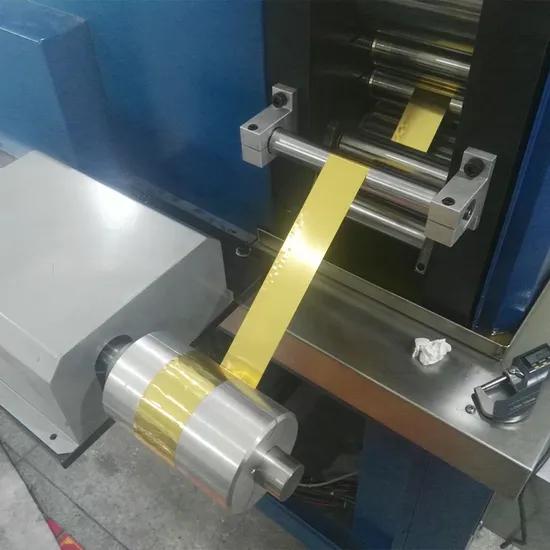
Gold mechanically bonded to the core using heat and pressure
Gold covering the significant exterior surfaces
A gold layer representing at least 1/20, or 5%, of the item’s metal weight
The Federal Trade Commission says the term “Gold Filled” may be used when the mechanically applied gold-alloy layer accounts for at least 1/20 of the weight of the metal in the article. The gold must be at least 10 karat and reasonably durable. The karat fineness must accompany the description. FTC Jewelry Guides, 16 CFR §23.3
Most gold-filled jewelry findings sold in the United States are:
1/20 14K gold-filled
Sometimes written 1/20 14K GF
Less commonly, 1/20 12K gold-filled
“1/20 14K gold-filled” means that at least 1/20 of the metal weight is 14-karat gold alloy. It does not mean that 5% of the entire item is pure gold.
Because 14K gold is approximately 58.3% pure gold: 5%×58.3%≈2.92%
Therefore, a 1/20 14K gold-filled article contains approximately 2.9% pure gold by metal weight, before any permitted exclusions or manufacturing tolerances.
How gold-filled material is made
Gold-filled findings usually begin as composite sheet, wire or tubing.
1. The metals are prepared
A manufacturer starts with:
A base-metal core, usually brass
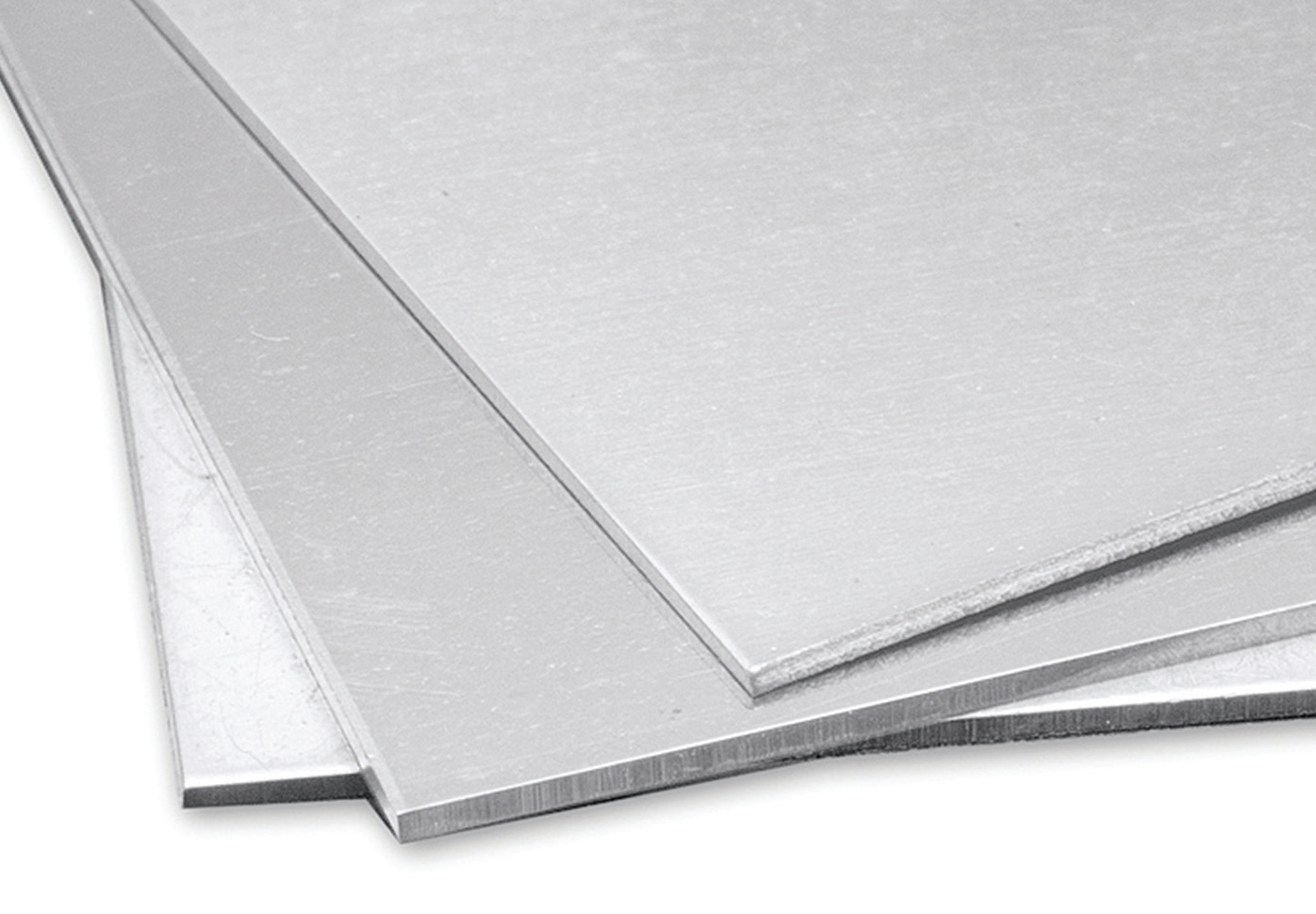
A carefully measured sheet of karat gold alloy
The gold layer may be applied to one side or both sides, depending on the product and manufacturing method.
2. The surfaces are cleaned
The mating surfaces must be extremely clean. Oils, oxides and contamination would interfere with the bond between the gold and base metal.
3. The metals are assembled
The gold-alloy sheet is positioned against the brass core. The relative amounts are calculated so that the finished composite meets its declared gold-to-metal weight ratio.
4. Heat and pressure create the bond
The metals are heated and compressed under substantial pressure. Depending on the process, brazing or another metallurgical bonding method may assist the bond.
The objective is not simply to glue or loosely wrap gold around brass. The process creates a permanent metallurgical bond between the layers.
5. The bonded block is rolled or drawn
Once bonded, the much thicker composite can be:
Rolled into thin sheet
Drawn into wire
Formed into tubing
Stamped
Cut
Shaped into jewelry components
As the material is rolled or drawn, both the base metal and gold layer become thinner while maintaining their calculated proportion.
6. It is made into findings
The composite material can then become:
Ear wires
Head pins and eye pins
Jump rings
Clasps
Chain
Bead caps
Wire
Tubing
Stamped charms and components
Some complicated findings contain soldered joints, springs or internal pieces that may not themselves be gold-filled. Therefore, sellers should obtain the exact material specifications from their suppliers.
Gold-filled versus gold-plated
The most important distinction is how the gold is applied and measured.
Material
Construction
Gold requirement
Expected wear
Solid 14K gold
Gold alloy throughout
About 58.3% pure gold throughout
Excellent
1/20 14K gold-filled
14K gold mechanically bonded to a base-metal core
Gold alloy is at least 5% of metal weight
Very good
Rolled gold plate
Mechanically bonded gold alloy
May be as little as 1/40 of metal weight under FTC guidance
Good, but less gold than GF
Heavy gold electroplate
Gold deposited electrolytically
Measured by coating thickness, not weight ratio
Better than light plating
Ordinary gold plate
Thin electrolytic gold coating
Far less gold than GF in typical commercial products
Highly variable
Gold vermeil
Gold plated over sterling silver
Defined principally by the silver base, gold fineness and plating thickness
Good, but the coating remains electroplated
The FTC provides a threshold of at least 2.5 microns of fine-gold equivalent for “heavy gold electroplate,” while gold-filled is evaluated by its mechanically bonded layer and weight ratio. FTC Jewelry Guides
It is not accurate to say that every gold-filled item is a particular number of times thicker than every gold-plated item. Gold plating varies enormously. The reliable distinction is that qualifying gold-filled material has a substantial, mechanically bonded layer with a defined weight relationship.
Who owns the patent?
The short answer is: no person or company currently owns a general patent giving it exclusive rights to make gold-filled metal.
Gold-filled is now an established manufacturing category, not a proprietary brand or currently exclusive invention. Individual companies may have patents covering particular modern improvements, alloys, bonding procedures, equipment or component designs, but no one owns “gold-filled” as a whole.
The best-supported historical account identifies John Turner of Birmingham, England, who received an English patent in 1817 for an improvement in applying gold to brass or copper so that the composite metal could be mechanically rolled into sheets.
Turner’s work developed from the earlier Sheffield plate process. In 1743, Thomas Boulsover had discovered a way of bonding silver to copper. Turner adapted this general clad-metal principle to gold and base metal. A technical paper from the Santa Fe Symposium describes Turner’s 1817 material as the first gold clad over base metal in Great Britain and the beginning of gold-filled and rolled-gold sheet, wire and tubing. Santa Fe Symposium technical paper
You may see online articles claiming that an “Anthony Poliakoff” obtained the first gold-filled patent in 1856, or that “Christopher B. Hughes” invented the process. I could not verify those claims in dependable patent or historical records. The 1817 John Turner account is substantially better documented.
Any patent issued in 1817 would, of course, have expired generations ago.
Why gold-filled is a good choice
It looks like karat gold
The visible surface is genuine karat gold alloy—not merely gold-colored metal. High-quality 14K gold-filled findings coordinate beautifully with 14K gold jewelry and have the warm, refined appearance customers expect from genuine gold.
It lasts much longer than ordinary plating
Because the gold layer is substantial and mechanically bonded, it normally withstands regular handling and wear much better than thin electroplating.
A metallurgical study presented at the Santa Fe Symposium found that 1/20 gold-filled clad material showed reliable resistance to prolonged normal wear across practical material thicknesses. Mechanical clad versus electroplate study
Its actual life still depends on:
How often it is worn
Skin chemistry
Perspiration
Friction
Exposure to chlorine, salt water, cosmetics and household chemicals
The thickness and construction of the particular component
It should not be advertised as “never wears off” or “lasts forever.”
It offers excellent value
Gold-filled occupies a useful position between inexpensive plated findings and solid gold:
More expensive than ordinary gold plate
Far less expensive than solid 14K gold
Durable enough for quality artisan jewelry
Appropriate for jewelry intended to be kept and worn regularly
This is especially valuable for VenetianBeadShop jewelry. Authentic Murano glass deserves a finding that feels more permanent and valuable than inexpensive flash-plated metal, but solid gold would make many designs prohibitively expensive.
It can be formed like jewelry metal
Gold-filled sheet and wire can generally be:
Cut
Wrapped
Coiled
Hammered carefully
Formed
Soldered by an experienced jeweler
However, aggressive filing, deep scratching, repeated abrasion or careless soldering can penetrate or damage the gold layer and expose the base metal.
It is usually more tarnish-resistant
The gold surface resists tarnish better than bare brass, copper or sterling silver. Nevertheless, the 14K layer contains metals other than pure gold, so it can become dull or discolored under certain conditions. Contamination, solder, exposed brass edges and chemical exposure can also cause discoloration.
Is gold-filled hypoallergenic?
It is safer to say that gold-filled is often well tolerated, rather than guaranteeing that it is hypoallergenic.
A customer may react to:
Metals in the 14K gold alloy
Nickel, if present in a particular alloy or component
Exposed brass at cut edges or worn areas
Solder used in fabrication
Springs or internal mechanisms in clasps
For ear wires, supplier confirmation that the material is nickel-free is more meaningful than a broad “hypoallergenic” claim.
How customers should care for it
Recommend that customers:
Wipe the jewelry with a soft cloth after wearing
Wash occasionally with mild soap and lukewarm water
Dry it thoroughly
Store pieces separately to prevent scratching
Avoid abrasive polishing compounds
Remove it before swimming in chlorinated pools
Minimize contact with perfume, hairspray, lotion and household cleaners
A gentle nonabrasive jewelry cloth is preferable to a harsh metal-polishing cloth.
Fall/Winter 2026 Jewelry Colors: A Murano Glass Bead Guide
Each season brings new color inspiration, and Fall/Winter 2026–2027 offers a beautiful combination of expressive brights, rich earth tones, and calming shades inspired by nature. This year, we are particularly excited about the striking contrast between vibrant hues and the grounding tones that reflect the changing landscape during these months. In this blog, we explore ten leading colors from the season’s fashion forecast and interpret them through authentic Venetian and Murano glass beads, emphasizing the unique craftsmanship that goes into each piece. For each color, we have selected handmade beads that capture its character—not as exact standardized color matches, but as artistic interpretations brought to life through transparent and opaque Murano glass, 24-karat gold foil, sterling silver foil, and traditional Venetian glassmaking techniques. The interplay of these materials not only enhances the colors but also adds depth and texture, making them truly stand out. Click any featured bead photograph to visit its product page, learn more about the inspiration behind each selection, and shop the color for your next jewelry design, ensuring that your creations are as vibrant and dynamic as the season itself.
Taupe and topaz create a warm, versatile color story inspired by natural stone, amber light and the softly weathered architecture of Venice. Taupe provides a calm, earthy neutral, while transparent topaz adds golden-brown depth and warmth. In Murano glass, these colors pair beautifully with 24kt gold foil, avventurina, ivory, chocolate brown and rich autumn reds.
Rooted in nature yet distinctly modern, Burnt Olive, Green Envy, and Acacia create a sophisticated progression of greens for Fall 2026. Burnt Olive brings an earthy, grounded depth with its muted olive undertones, while Green Envy introduces a fresher, more energetic yellow-green. Acacia completes the palette with a bright, luminous chartreuse that adds an unexpected spark. Together, these shades move beautifully from subdued and organic to vivid and contemporary, making them especially striking when translated into Murano Glass, where transparent color, gold foil, and avventurina can add even greater depth and brilliance.
Vibrant yet beautifully feminine, Festival Fuchsia and Foxglove bring warmth and energy to the Fall 2026 palette. Festival Fuchsia is bold, saturated, and exuberant—a rich jewel-like pink that immediately commands attention. Foxglove softens the story with a dusty, romantic rose pink that feels elegant and refined. Together, they create a wonderful balance of dramatic color and gentle sophistication, especially beautiful in Murano Glass where transparent pinks, gold foil, silver foil, and delicate Fiorato details can bring these shades to life.
These Murano Glass beads are just a few examples of how you can bring the colors of Fall 2026 into your jewelry designs. Use them as inspiration rather than rules—mix the season’s rich earth tones, sophisticated greens, vibrant pinks, ocean-inspired blues and warm neutrals with beads you already love. Add the shimmer of 24kt gold foil, sterling silver foil or avventurina, introduce the delicate flowers of Fiorato and Millefiori, or combine transparent and opaque glass for greater depth and contrast. With thousands of colors, shapes and styles of authentic Murano Glass to choose from, the possibilities extend far beyond the examples shown here. Choose the colors that speak to you, experiment with unexpected combinations, and make the Fall 2026 palette entirely your own.
The theme for Carnevale 2026 in Venice was the Olympics, the Winter Olympics being held almost simultaneously in nearby Cortina. From the opening of the Carnevale along the Grand Canal, the costumes repeat the pageantry of the Olympics.
This year’s Carnevale has been anything but normal. Piazza San Marco has experienced high water on almost all days. Fortunately, the high tides only last for a few hours. But when these come during the planned events it makes life difficult. Imagine spending hundreds (and even into thousands) on your costume, only to have to wade in water.
I can only compare this to the marvelous experience of 2015 when we had beautiful sunny days followed by acqua alta and SNOW. Snow turns everything in Venice into a magical kingdom. But when you step onto the snow and your boots sink through into water. It does make walking (and not falling into the canal) a bit of a challenge. To remember this great Carnevale, read our old blog:
Here are some scenes from the 2026 Carnevale. It gives you a true impression of what happens, the beautifully dressed strolling around the Piazza and along the small streets with locals going about their daily routine and tourist dress in their carnevale costumes.
Today is the end of Carnevale and is known as Martedì Grasso (Fat Tuesday) and the presentation of La Marie ‘The Festa delle Marie‘ (Festival of the Marys) is one of Venice’s oldest traditions. Today, it serves as a central historical reenactment of the Venice Carnival. The Carnevale ends with the singing of the anthem of the Republic shown here from 2019. The Venetians sing along making it quite unforgettable.
Historical Origins (943–973 AD)
The festival originates from two intertwined traditions:
The Collective Wedding: In early Venice, a communal wedding for betrothed couples was held annually on January 31st (the feast of St. Mark) at the Basilica of San Pietro di Castello.
The Pirate Kidnapping: According to legend, in either 943 or 973 AD, Istrian or Dalmatian pirates raided the ceremony and kidnapped twelve young brides along with their dowries.
The Rescue: Led by Doge Pietro Candiano III, a group of Venetian citizens (specifically the cabinet makers or casselleri) pursued the pirates, killed them, and rescued the women.
Evolution and Traditions
To commemorate the victory, the Republic instituted the “Festa delle Marie”:
Patronage: Every February 2nd, the state and wealthy patrician families “adopted” twelve beautiful but poor Venetian girls, providing them with magnificent clothes, jewelry, and a rich bridal dowry.
The Parade: The “Marie” were paraded through the city and along the Grand Canal in a triumph of costumes and boats, ending with a visit to the Church of Santa Maria Formosa.
“Maria de Tola”: Over time, the high costs and public disorder led authorities to replace the real girls with wooden statues (Marione). This was so unpopular that citizens threw vegetables at the figures, leading to the term “Maria de Tola” (Wooden Mary), which remains a Venetian slang term for a woman with a flat chest.
The festival was cancelled in 1379 during the War of Chioggia (la Serenissima and Chioggia) but was officially restored in 1999.
Marie of the Year: The festivities culminate in the election of the “Marie of the Year” (Maria dell’anno) at Teatro La Fenice, who then performs the “Flight of the Angel” in the following year’s Carnival. The Maria of 2026 is Martine Diop Bullo, an 18 year old from Mestre on the mainland. She will receive a Seguso Vetri d’Arte glass creation and, most significantly, will earn the honor of performing the “Flight of the Angel” (Il Volo dell’Angelo) from St. Mark’s Bell Tower during the 2027 Venice Carnival.
The Contest: In the modern version, twelve young Venetian women (aged 18–28) are selected to participate in a series of parades and events and the chosen Maria is presented in Piazza San Marco
Sterling silver alloys typically contain about 7.5 percent copper, an addition that not only provides strength to the otherwise pure silver, but also helps the alloys to tarnish fairly quickly—a traditional frustration for jewelers and consumers alike. In addition, both copper and silver readily absorb oxygen when in a liquid state, leading to issues with firestain and gas porosity that has confounded many a caster.
In recent years, metallurgists have discovered that replacing some of the copper content with deoxidizing elements, such as zinc and silicon (in casting alloys) and germanium (in alloys geared toward fabrication), increases the resistance to both firestain and tarnish. This has led to the creation of several proprietary de-ox alloys now on the market. They all resist tarnish and offer a whiter, brighter look than found with traditional sterling. In addition, several help to protect against firestain and can be easily fused (thus avoiding solder).
Sounds great, right? But swapping out some of that copper for other materials means that these alloys don’t always behave in the same way that traditional sterling does. To help you get to better know these alternative silver alloys, we’ve asked jewelers and metallurgists to explain how these alloys are different, and why they may warrant a place in your shop.
Getting to know you
When many jewelers think of deoxidized silvers, the first thing that comes to mind is the tarnish resistance they offer. Metallurgists are quick to point out, however, that tarnish resistant is not the same as “anti-tarnish” or “tarnish-proof.”
“All de-ox sterling silvers will eventually tarnish,” says Dr. Shan Aithal, corporate metallurgist at Stuller Inc. in Lafayette, Louisiana. “It’s just a matter of how slowly.”
Among all the noble metals, silver is chemically the most reactive and readily combines with sulfur and chlorine, main elements that cause tarnish in traditional sterling silver. The addition of copper in these alloys further decreases the tarnish resistance by adding oxygen to this list. When the silver and copper in the alloy react with sulfur in the atmosphere, silver and copper sulfides are created at the surface of the metal.
Adding de-ox elements to a sterling silver alloy not only reduces the amount of copper in the alloy, but can create “a passive oxide surface to prevent or at least reduce the penetration of oxygen into the alloy, so less copper oxide is the result, “says James Binnion of James Binnion Metal Arts in Bellingham, Washington.
The protective oxide layer is a reason why many bench jewelers initially turn to these de-ox alloys. Ruthie Cohen, a jeweler, educator, and the owner of Timeless Jewelry Designs in Arden, North Carolina, likes to create her silver pieces using Stuller’s Sterlium Plus de-ox alloy primarily because of its tarnish resistance. She says that finishing is much easier with the alloy due to the fact that pieces stay shiny longer. She also points out that since most customers aren’t excited about the care and cleaning of jewelry, eliminating the need to wipe down pieces is a definite plus.
Additional Resistance
Much like adding germanium to sterling fabrication alloys can help them resist tarnish, adding zinc and silicon to casting alloys can help protect against firescale. The bane of many a silversmith, firescale frequently appears on sterling silver when heat is applied in the presence of oxygen, leading the copper to turn a reddish-purple color. While it can occur while the alloy is being heated at the bench, it normally happens during the casting process, where it can form not only on the surface, but also deep within the metal, waiting to be discovered during polishing.
“After casting, sterling silver will have a black coating on the surface,” explains Aithal. “It comes off after pickling, but it may leave a hint of pink at the surface. Pickle will remove that copper oxide on the surface, but not on the inside. If copper oxides were colorless like the oxides of silicon and germanium, we would not be discussing firescaling of sterling silver at all!”
When it does occur, the only option is to remove it, usually by polishing or filing, but even then it involves having to remove material down to the root of the firescale, which in some cases can be substantial.
It’s no wonder then that firescale has turned off many a jeweler to traditional sterling silver. It was one of the main reasons why Ronda Coryell of Ronda Coryell Designs in Albuquerque, New Mexico, stayed away from the metal, preferring to work with gold and platinum.”Sterling is what sterling is, and it will have firescale,” she says. “I hate firescale. It takes so much longer to make a piece.”
When some of the de-ox alloys first started coming out, she tested them in her shop. “They cast beautifully,” says Coryell.
“Because of the addition of these elements, there are good things we achieve (tarnish resistance), but also some bad things.” -Dr. Shan Aithal, Corporate Metallurgist, Stuller INC.
Let’s get together
Another thing that appeals to Coryell is the ability of some of these de-ox fabrication alloys to fuse to themselves as well as other metals. “Argentium can be fused to almost anything that has a higher melting temperature, including steel, “she notes.
Although fusing traditional sterling silver is technically possible, many experts agree that it’s not practical in a typical workshop. “It’s very tricky,” says Aithal.”You need high temperatures, but you also have to prevent it from oxidizing. It was something best left to the experts. But now with these alloys, people are finding it very easy to fuse.”
When these de-ox silver alloys are heated, they start to sweat. The liquid that comes out creates a bond, allowing two pieces to fuse without oxidizing. While soldering is also possible with these alloys (and many suppliers offer solders geared specifically for them), fusing is often seen as the more practical option since it’s fast and requires no cleanup.
One of the first projects Rita Marie Ross, an artist and metalsmith in Austin, Texas, tackled when she started working with Argentium was to make three identical rings in the metal. “I sat them down on top of each other, heated them up, and fused them together,” she says. “It happened so fast and perfect—that’s a wow factor! Once they’re fused, they won’t move. And the beauty is that there’s no solder so you don’t have to clean anything.”
“It happened so fast and perfect- that’s a wow factor! Once they’re fused, they won’t move. And the beauty is that there’s no solder so you don’t have to clean anything.” -Rita Marie Ross
These alloys’ ability to be fused also opens up the door to easier granulation. Unlike with fine silver granules, which have to be heated to an exact temperature or risk being melted, these alloys have a broader temperature range that allow the de-ox granules to fuse long before melting is a possibility.
However, Binnion points out that fusing these alloys can result in weakening the metal. “When you heat it up to fuse, you’re growing the grain structure radically, making it a less strong material,” he warns. “If you’re doing a lot of fusing, the material can get weaker and be prone to breaking. It’s a tradeoff you have to make with these alloys.”
Working it over
Even with all the great properties these de-ox alloys offer, many jewelers may be hesitant to try them because they’ve heard that the fabrication alloys can’t be worked in the same way as traditional sterling silver. However, it’s not too hard to adjust from traditional sterling to a de-ox alloy; you just need to be aware of the differences and how to accommodate for them.
A Hard Time. The addition of elements such as germanium, zinc, and silicon reduces the mechanical strength of the de-ox alloys. “Some of these alloys remove all the copper or at least the vast majority of it,” says Binnion. “The problem with this is that the copper addition is what gives sterling its strength. This means all the de-ox alloys are soft when compared to standard sterling in the as cast, annealed, or work-hardened condition.”
While these alloys may start out softer than sterling silver, they can be precipitation (or age) hardened to improve their mechanical strength. Since each alloy has its own unique formulation, it’s best to follow the alloy manufacturer’s instructions for age hardening.
The Flux Factor. Many of these alloys can be easily fused, but flux is recommended to avoid the formation of a superficial oxide layer. In addition to keeping the joint clean for fusing, the flux can serve as a helpful indicator for knowing when the piece is approaching the correct temperature to fuse.
When Ross is fusing a piece of Argentium, she keeps an eye on both the color of the metal she’s heating as well as the flux that she’s applied to the joint. “You have to look closely when you’re heating
it because it’s not as blatant as with solder, where you see a line of silver flowing,” she says. When the metal starts to turn orange and the flux turns into what she can best describe as “dancing droplets,” she knows it’s time to pull up her heat.
While flux is only necessary on the joint you’re fusing, if you’re doing multiple fusings on a piece, Coryell recommends applying flux to the entire piece.
Support Is Critical. The same elements that improve these alloys’ tarnish and firescale resistance can also have unintended consequences. “Because of the addition of these elements, there are good things we achieve (tarnish resistance), but also some bad things,” says Aithal. For one, a piece needs to be fully supported when it is being heated.
“When you’re annealing at the bench, inside of the piece some areas can become liquefied, and therefore the metal loses its strength,” explains Aithal. “You have to support the piece, otherwise it can sag and crack.” Luckily, that support can be as simple as a charcoal block.
“It’s really an issue of knowing what you want to do. Then find and learn everything about the best material for your needs so you can produce the best quality product with it.” -James Binnion
A Hands-Off Approach. Many jewelers experienced with traditional sterling will have to learn to wait a bit longer after heating a de-ox alloy. While sterling silver is also susceptible to cracking when red hot, the de-ox alloys tend to take longer to solidify, and they remain fragile for longer: If you handle them or apply pressure too soon, they could crack.
How much longer to wait will ultimately depend on the alloy and type of piece being heated, but many experts say that it’s usually not more than a difference of a few seconds. And, when in doubt, there’s no harm in letting the item cool a bit longer to be safe.
Keep It Clean. It’s recommended that when working with de-ox silver alloys, you use a dedicated set of polishing wheels for the metal. This prevents cross contamination from other metals that can get deposited on the silver and disrupt the formation of the protective oxide layer.
And remember: No alloy is perfect. “It’s really an issue of knowing what you want to do,” says Binnion. “Then find and learn everything about the best material for your needs so you can produce the best quality product with it.”
Empowering Creativity: How Small Businesses in Vertical Markets Support Artists and Strengthen Communities
Authentic artistry risks being overshadowed by large-scale corporations and unseen online, dwarfed by the Amazons, the Googles and visibility certain only by the dollars spent. And online stores such as Temu aggressively use the terms “Murano Glass” with impunity, even going so far as to use “VenetianBeadShop” in their Google Ads. Yet, nestled within the fabric of local economies lies a powerful force that keeps creativity, craftsmanship, and culture alive — small businesses dedicated to this market focused on artists.
A vertical market—one that specializes in serving a niche industry—offers unique opportunities for artisans to thrive. Whether it’s handcrafted jewelry, bespoke furniture, ceramics, or glass art, these specialized businesses act as a vital bridge between independent artists and customers who value authenticity, quality, and tradition.
How Vertical Market Small Businesses Champion Artists
Venice inspires art just from the everyday scenes enhanced by light and water.
Unlike generic retail giants, small businesses operating within a vertical market understand the nuances of the craft they represent. They don’t just sell products-they curate stories, preserve heritage, and foster relationships with artisans. As we say here at VenetianBeadShop, we don’t sell beads, we sell Romance, the Romance of Venice. We sell history, the history of glass making first in Venice and then moved to Murano.
Direct Support to Artists We work closely with individual artists, offering fair compensation, consistent large orders, and exposure that artists struggle to secure on their own. This partnership allows artists to focus on what they do best, creating without being overwhelmed by the challenges of marketing, logistics, or international sales.
Preserving Traditional Craftsmanship Murano glassmaking is rooted in centuries-old traditions. Vertical market businesses ensure these art forms continue to flourish by providing sustainable demand and educating consumers about the value behind each handmade piece. VenetianBeadShop provides DIY projects complete with printable instructions to aid our customers in this craft.
Platform for Unique, Handcrafted Goods In a world saturated with identical, mass-produced items, vertical market businesses highlight the beauty of one-of-a-kind creations. They help customers appreciate that behind every product is a human story – a skilled artist, a cultural tradition, and hours of dedicated craftsmanship. We have been online since 1998 first as Global Gift Shop on Yahoo Stores and then as VenetianBeadShop.com. We have participated in countless shows across the US, in New York, Los Angeles, Portland, Seattle, Tucson, Las Vegas, Milwaukee and more. The quality of our beads and jewelry shine brightly in shows against mass produced items and shows convert to life-time customers.
Strengthening Communities Through Art
Basi Beads featuring 24k Gold Foil with tiny hand painted flowers and slices of Millefiori
The impact of supporting artists extends far beyond the individual creator. Small businesses focused on artisan markets play a crucial role in enriching local and global communities:
Economic Impact By sourcing directly from artists, these businesses keep money flowing into local economies—whether that’s a glassblower in Murano, a painter in New Mexico, or a ceramicist in North Carolina. This fosters economic resilience and creates a ripple effect of opportunity within artisan communities.
Cultural Exchange & Preservation Every handcrafted item carries cultural significance. Small businesses serve as custodians of these traditions, introducing customers to global artistry while helping preserve endangered crafts for future generations.
Our Role: Bridging Artistry and Appreciation
At VenetianBeadShop we are proud to be part of this vertical market that champions artists and uplifts communities. We don’t see ourselves merely as retailers we are partners in creativity, advocates for tradition, and storytellers for the artisans we work with. We create new beads inspired by artist, such as Klimt, Monet, or the amazing Palazzo along the Grand Canal such as Ca’d’Oro whose façade was covered in real gold. We use 24kt Gold Foil and .925 Sterling Silver to enhance our beads.
By connecting customers to authentic, handcrafted pieces, we ensure that:
Artists are able to make a living doing what they love. Many of our artists are 2nd and 3rd generation.
Customers experience the joy of owning something truly unique and meaningful.
Communities — both local and international — benefit from sustainable, culturally rich commerce.
Why It Matters
In supporting small businesses like ours, customers aren’t just making a purchase — they’re making a difference. They’re voting for craftsmanship over mass production, tradition over trend, and human connection over corporate anonymity.
As we continue to grow within our niche, we remain committed to empowering artists, preserving heritage, and enriching communities through the beauty of handmade art.
Together, we can ensure that creativity continues to flourish — one piece at a time.
How VenetianBeadShop, Murano Artisans, and Small Businesses Create a Community of Creativity
In a world dominated by mass production and corporate giants, the true value of handmade artistry can sometimes be overlooked. But at VenetianBeadShop, we believe in something far more meaningful — a business built on collaboration, craftsmanship, and community.
As a small business operating in the vertical market of artisan-made products, we proudly work hand-in-hand with our talented bead makers in Murano and Venice, supporting not only centuries-old traditions but also the families and futures of the artisans behind every bead.
Supporting Artisans: More Than Just Business – It’s Family
Our relationship with Murano’s glassmakers goes beyond transactions — it’s a partnership rooted in respect and mutual success. Each bead we offer is a testament to the skill passed down through generations of Venetian artisans. But behind the shimmering glass and intricate designs lies something even more important: …People.
By collaborating directly with our bead makers, we help sustain numerous families. Every order placed contributes to everyday life in Venice — from sending children to school, buying birthday presents, to ensuring these artisans can continue doing what they love. It’s not just about preserving a craft; it’s about enriching lives and keeping vibrant communities thriving on the islands of Murano and Venice.
Empowering Our Customers: Creativity That Pays Forward
The beauty of this vertical market is how far its impact reaches. Once these exquisite, handmade beads arrive at VenetianBeadShop, they begin a new journey — into the hands of our customers, who transform them into unique pieces of jewelry.
Our customers — many of whom are independent artists, hobbyists, or small business owners themselves — take these authentic Murano Glass beads and create jewelry that tells a story. Whether they’re selling at local craft fairs, boutiques, or online shops, they’re turning creativity into opportunity.
For many, this isn’t just a passion project. The jewelry they craft and sell might:
Pay for their child’s dance lessons.
Cover the cost of baseball camp.
Help with family expenses or fund a well-deserved vacation.
Or simply bring the satisfaction of turning artistry into income.
It’s a win-win, all the way through the market — from the glass furnaces of Murano to craft tables across the world.
Spreading Joy Through Handmade Beauty
The impact doesn’t stop there. Each piece of handmade jewelry our customers create carries forward the legacy of Murano artistry. When someone buys or receives that jewelry as a gift, they’re not just getting a beautiful accessory – they’re receiving a piece of history, tradition, and heartfelt craftsmanship.
Gold Foil, Silver Foil and White Gold Foil Round Murano Glass Beads
It’s this chain – from artisan, to small business, to creator, to customer – that makes what we do at VenetianBeadShop so special.
Why Markets Like Ours Matter
Large corporations may dominate the headlines, but it’s small businesses within niche vertical markets that fuel creativity, preserve culture, and foster community connections. At VenetianBeadShop, we’re proud to be part of this ecosystem:
We support artisans and keep traditional crafts alive.
We empower creators to build businesses and express themselves through handmade jewelry.
We help spread joy and beauty to those who wear or gift these creations.
Every bead has a story. Every piece of jewelry continues that story. And every purchase supports real people — from Venetian artisans to families in communities across the globe. As we say here at VenetianBeadShop, we don’t sell beads, we sell romance, we sell history, we sell creativity.
Together, We Keep Artistry Alive
When you choose to buy from a small business like VenetianBeadShop, you’re not just buying a product — you’re investing in a network of creativity and human connection.
You’re helping a Murano glassmaker keep his furnace burning. You’re giving a jewelry maker the tools to grow her craft business. You’re bringing joy to someone who cherishes a handmade gift.
That’s the power of supporting artisan vertical markets. It’s a beautiful cycle — one we’re honored to be part of, and one that continues to thrive thanks to customers who believe in the value of handmade.
Let’s keep this chain of creativity, community, and craftsmanship strong — one bead at a time.
At the moment there is no reason to panic. We will not increase prices until we are forced to pay these tariffs. We have a huge stock of beads already in our bead shop. Maybe it is not the beads that you currently use, but there are plenty of beautiful choices.
When we see the tariffs on an incoming shipment, we will advise you. However at that point, the prices will increase proportionally, so my advise to you is shop now. I have hopes that this is like a child’s temper tantrum and will quickly be removed, forgotten. Currently, I see that the EU of which Italy is a member will be 25%. This is not viable and hurts everyone.
The existing tariffs were negotiated over many years and have always been to protect American made products, like the importing of brooms was prohibited. That was because in years back, the school for the blind made them. Now that is ridiculous as there are no schools for the bind making brooms.
In case you haven’t been following the news, here is a summary
You may have heard that a new set of tariffs—basically, taxes on imported goods has been proposed. These would apply to everything the U.S. brings in from other countries (yes, even our beautiful Murano Glass Beads) with even higher rates on imports from places including, the EU of which Italy is a member.
So, what does this mean for everyday people?
Higher Prices: Since tariffs make imported goods more expensive, that cost gets passed on to consumers. Experts estimate that the average American household could end up spending an extra $2,000 to $3,800 per year if these tariffs go into effect.
Inflation Concerns: With prices going up, inflation is likely to rise too. That means the money in your pocket doesn’t go as far, especially for essentials.
Risk of a Recession: Some big financial institutions are warning that these tariffs could slow down the economy enough to trigger a recession by the end of 2025.
Possible Trade Tensions: Other countries might respond with tariffs of their own, which could disrupt international trade even more and cause ripple effects in supply chains.
Why are tariffs being proposed? Supporters say they’re a way to protect American jobs and businesses by encouraging more U.S.-made products. Critics, though, are concerned that the broad nature of these tariffs could end up doing more harm than good—especially for consumers and small businesses.
As things develop, we’ll all be watching closely to see how it plays out and how it might affect prices, shopping choices, and the overall economy. So I suggest you expand your bead horizon and make good use of our existing stock of beautiful, unique and high quality beads and we will fact the tariff when we see them. https://www.venetianbeadshop.com
Sorry, we are all prisoners of this egregious actions by the US. In case you want to read more about tariffs, the complexity and the harmonized tariff schedule: https://hts.usitc.gov/
Unfortunately, we work with these codes each time we ship beads, supplies or jewelry out of the US. We must have the codes correct so that your package does not get returned.
The journey begins with a vaporetto ride to the Homo Faber exhibits in Venice, sparking inspiration for a new collection of Murano glass beads. Influenced by various artistic styles, colors, and textures, beadmakers creatively translate these ideas into unique designs that celebrate both tradition and innovation. Each bead reflects Venice’s rich craftsmanship.
It all begins with a vaporetto ride. Sometimes, the adventure starts with wading through high water just to leave the apartment. But the allure of the Homo Faber exhibits on the island of San Giorgio makes it all worthwhile. These incredible showcases of artistry spark boundless inspiration. So, off we went—with two of our beadmakers and a camera—to capture the magic.
In the world of Murano Glass, creativity is a dance between tradition and innovation, and for our studio, inspiration comes from everywhere. Our latest collection of beads owes its origin to a remarkable journey—one that started at the Homo Faber exhibit in Venice, where craftsmanship, artistry, and imagination collide.
A Visit to Homo Faber: The Spark of Creativity
Walking through the Homo Faber exhibit was like stepping into a living museum of art and tradition. Each room displayed breathtaking works from artisans around the world, from intricate textiles to finely crafted ceramics and, of course, extraordinary glassworks. What captivated us most were the colors, textures, and patterns that seemed to speak directly to the heart of Murano’s glassmaking heritage.
As we explored, we were struck by the diversity of designs—soft, ethereal hues juxtaposed with bold, geometric patterns, and textures that mimicked natural elements like woodgrain or rippling water. These visual treasures stirred something in us, and we knew instantly that these inspirations would breathe new life into our bead designs.
Our first spark of inspiration came from the mesmerizing work of artist Tuesday Riddell, who masterfully uses the Japanese lacquer technique. Her collection is nothing short of breathtaking—take a moment to explore her artistry for yourself. Tuesday Riddell
We were captivated by the striking interplay of black and gold, tones we frequently feature in our Venetian beads. Inspired by this elegant combination, our beadmakers were immediately motivated to craft new designs, bringing their own creative vision to life. Below are some of our bead maker’s first tries. I feel incredibly fortunate to have bead makers who can bring our ideas to life. I’m constantly amazed by their ability to craft entirely new and unique designs using the same tools, glass canes, and millefiori techniques that have been cherished for centuries.
From Vision to Reality: Working with Our Beadmaker
Back in the studio, they began translating these inspirations into tangible designs with the help of our incredible beadmaker. Armed with a treasure trove of photos, detailed sketches, and notes from our time at Homo Faber. They reviewed the patterns, colors, and textures that had spoken to us the most.
Designs: Abstract lines, geometric forms, and organic swirls all made their way into our sketches. Every detail was considered to ensure that the final product would not only look beautiful but also feel authentic to Murano’s legacy.
Colors: From the soft pastels of Venetian sunsets to the rich jewel tones of antique glass mosaics, we carefully selected a palette that reflected both the timelessness of Murano traditions and the bold innovation of modern design.
Textures: Many of our new beads feature layers—transparent glass over opaque bases or flecks of avventurina for sparkle and depth—echoing the intricate layering techniques we saw at the exhibit.
This collection is just the beginning as we explore new colors and expand on the inspiring themes from Homo Faber. We even had the privilege of getting a behind-the-scenes glimpse into the design processes of legendary houses like Cartier, Mercier, and Van Cleef & Arpels—a rare and fascinating experience that continues to fuel our creativity. A look at the sketch book reveals their process so similar to ours.
After countless hours of experimentation and collaboration, our beadmaker brought the sketches to life. The result is a collection of beads that celebrate the beauty of Murano’s craftsmanship while nodding to the innovative spirit we saw at Homo Faber. Each bead tells a story: the story of Venice, of our studio, and of the creative journey that began with a single spark of inspiration.
Whether it’s a delicate pink bead with avventurina shimmer or a bold black-and-gold design inspired by the exhibit’s contemporary installations, these beads are a testament to the power of collaboration and the endless wellspring of inspiration that is Venice.
An Invitation to Create
As we launch this collection, we’re excited to share these designs with you. We hope they inspire your own creations, just as Homo Faber inspired us. Each bead is a tiny piece of Venice—a city where artistry is woven into every canal and calle.
Thank you for joining us on this journey. Together, we keep the traditions of Murano alive, one bead at a time.