Rubino: Gold in the Glass, Uncertainty in the Supply
The beautiful pink and ruby tones of gold-based Rubino glass depend on gold as an ingredient in the glass itself. This is different from the decorative gold foil used inside many of our beads: here, gold helps create the color.
Effetre has communicated with customers by email regarding Rubino. In our efforts to obtain this glass, they will not quote a price—even when we offer to purchase an entire batch. For us and the bead makers we work with, that makes planning future production especially difficult.
Without a confirmed price and an obtainable supply of glass rods, we cannot calculate the cost of new beads or promise when a favorite Rubino design will return. The cost of gold adds another layer of uncertainty to a color that already requires specialized glassmaking knowledge.
Finished beads and glass rods from earlier batches may still be available, but those remaining supplies do not guarantee that we can replenish them. If Rubino is an essential part of your design, we recommend purchasing enough of the available beads to complete your project together.
Cadmium and Our Opaque Whites and Pinks
The color shortages also affect some of our opaque white and pink glasses. Cadmium is an essential ingredient in the traditional formulas for these many of our opaque glasses as we use it as a base over which we apply transparents and decorations.
European rules place strict controls on occupational exposure to cadmium and its compounds. These requirements affect the conditions under which manufacturers handle those ingredients during production. They do not amount to a blanket ban on every opaque glass color.
For our bead makers, the difficulty begins with obtaining the glass rods they need. When a familiar opaque white or pink is unavailable, it can affect an entire design—from the white base beneath a floral heart to the soft pink petals decorating a bead.
Changing a traditional glass formula is more complicated than mixing a new shade of paint. A replacement must produce the desired appearance and work successfully with the other glasses used in the bead. Even when an alternative becomes available, we cannot assume it will match earlier batches exactly.
Together with the uncertainty surrounding gold-based Rubino, these shortages limit which beads our artisans can make and which colors we can restock.
We continue working directly with our Venetian and Murano bead makers to find available materials and beautiful alternatives. We know these colors are special to our customers—they are special to us, too.
Learn about Gold Fill: How it is Made, Why Use Gold Fill, Cost Benefits
Gold Plated vs. Gold Filled: Understanding the Key Differences
Gold-filled is one of the best materials for quality jewelry findings because it provides a genuine layer of karat gold, much greater durability than ordinary gold plating, and a substantially lower price than solid gold.
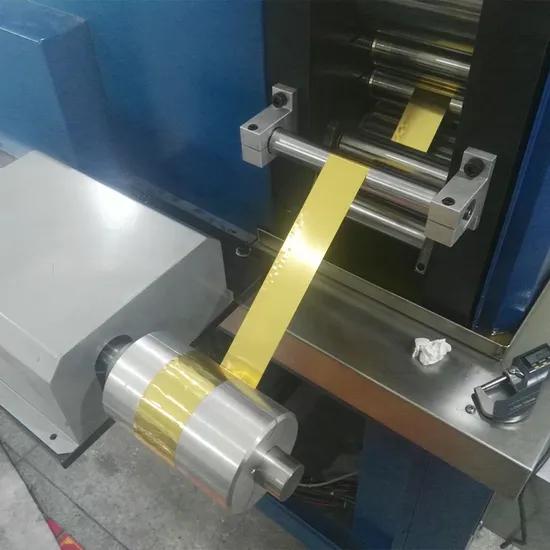
The name is confusing: gold-filled is not filled with gold. It consists of a base-metal core—usually jeweler’s brass—covered with a comparatively substantial layer of real karat gold.
What exactly is gold-filled?
In the United States, material described as gold-filled generally has:
A core of brass or another base metal
An outer layer of genuine gold alloy
Gold mechanically bonded to the core using heat and pressure
Gold covering the significant exterior surfaces
A gold layer representing at least 1/20, or 5%, of the item’s metal weight
The Federal Trade Commission says the term “Gold Filled” may be used when the mechanically applied gold-alloy layer accounts for at least 1/20 of the weight of the metal in the article. The gold must be at least 10 karat and reasonably durable. The karat fineness must accompany the description. FTC Jewelry Guides, 16 CFR §23.3
Most gold-filled jewelry findings sold in the United States are:
1/20 14K gold-filled
Sometimes written 1/20 14K GF
Less commonly, 1/20 12K gold-filled
“1/20 14K gold-filled” means that at least 1/20 of the metal weight is 14-karat gold alloy. It does not mean that 5% of the entire item is pure gold.
Because 14K gold is approximately 58.3% pure gold: 5%×58.3%≈2.92%
Therefore, a 1/20 14K gold-filled article contains approximately 2.9% pure gold by metal weight, before any permitted exclusions or manufacturing tolerances.
How gold-filled material is made
Gold-filled findings usually begin as composite sheet, wire or tubing.
1. The metals are prepared
A manufacturer starts with:
A base-metal core, usually brass
A carefully measured sheet of karat gold alloy
The gold layer may be applied to one side or both sides, depending on the product and manufacturing method.
2. The surfaces are cleaned
The mating surfaces must be extremely clean. Oils, oxides and contamination would interfere with the bond between the gold and base metal.
3. The metals are assembled
The gold-alloy sheet is positioned against the brass core. The relative amounts are calculated so that the finished composite meets its declared gold-to-metal weight ratio.
4. Heat and pressure create the bond
The metals are heated and compressed under substantial pressure. Depending on the process, brazing or another metallurgical bonding method may assist the bond.
The objective is not simply to glue or loosely wrap gold around brass. The process creates a permanent metallurgical bond between the layers.
5. The bonded block is rolled or drawn
Once bonded, the much thicker composite can be:
Rolled into thin sheet
Drawn into wire
Formed into tubing
Stamped
Cut
Shaped into jewelry components
As the material is rolled or drawn, both the base metal and gold layer become thinner while maintaining their calculated proportion.
6. It is made into findings
The composite material can then become:
Ear wires
Head pins and eye pins
Jump rings
Clasps
Chain
Bead caps
Wire
Tubing
Stamped charms and components
Some complicated findings contain soldered joints, springs or internal pieces that may not themselves be gold-filled. Therefore, sellers should obtain the exact material specifications from their suppliers.
Gold-filled versus gold-plated
The most important distinction is how the gold is applied and measured.
Material
Construction
Gold requirement
Expected wear
Solid 14K gold
Gold alloy throughout
About 58.3% pure gold throughout
Excellent
1/20 14K gold-filled
14K gold mechanically bonded to a base-metal core
Gold alloy is at least 5% of metal weight
Very good
Rolled gold plate
Mechanically bonded gold alloy
May be as little as 1/40 of metal weight under FTC guidance
Good, but less gold than GF
Heavy gold electroplate
Gold deposited electrolytically
Measured by coating thickness, not weight ratio
Better than light plating
Ordinary gold plate
Thin electrolytic gold coating
Far less gold than GF in typical commercial products
Highly variable
Gold vermeil
Gold plated over sterling silver
Defined principally by the silver base, gold fineness and plating thickness
Good, but the coating remains electroplated
The FTC provides a threshold of at least 2.5 microns of fine-gold equivalent for “heavy gold electroplate,” while gold-filled is evaluated by its mechanically bonded layer and weight ratio. FTC Jewelry Guides
It is not accurate to say that every gold-filled item is a particular number of times thicker than every gold-plated item. Gold plating varies enormously. The reliable distinction is that qualifying gold-filled material has a substantial, mechanically bonded layer with a defined weight relationship.
Who owns the patent?
The short answer is: no person or company currently owns a general patent giving it exclusive rights to make gold-filled metal.
Gold-filled is now an established manufacturing category, not a proprietary brand or currently exclusive invention. Individual companies may have patents covering particular modern improvements, alloys, bonding procedures, equipment or component designs, but no one owns “gold-filled” as a whole.
The best-supported historical account identifies John Turner of Birmingham, England, who received an English patent in 1817 for an improvement in applying gold to brass or copper so that the composite metal could be mechanically rolled into sheets.
Turner’s work developed from the earlier Sheffield plate process. In 1743, Thomas Boulsover had discovered a way of bonding silver to copper. Turner adapted this general clad-metal principle to gold and base metal. A technical paper from the Santa Fe Symposium describes Turner’s 1817 material as the first gold clad over base metal in Great Britain and the beginning of gold-filled and rolled-gold sheet, wire and tubing. Santa Fe Symposium technical paper
You may see online articles claiming that an “Anthony Poliakoff” obtained the first gold-filled patent in 1856, or that “Christopher B. Hughes” invented the process. I could not verify those claims in dependable patent or historical records. The 1817 John Turner account is substantially better documented.
Any patent issued in 1817 would, of course, have expired generations ago.
Why gold-filled is a good choice
It looks like karat gold
The visible surface is genuine karat gold alloy—not merely gold-colored metal. High-quality 14K gold-filled findings coordinate beautifully with 14K gold jewelry and have the warm, refined appearance customers expect from genuine gold.
It lasts much longer than ordinary plating
Because the gold layer is substantial and mechanically bonded, it normally withstands regular handling and wear much better than thin electroplating.
A metallurgical study presented at the Santa Fe Symposium found that 1/20 gold-filled clad material showed reliable resistance to prolonged normal wear across practical material thicknesses. Mechanical clad versus electroplate study
Its actual life still depends on:
How often it is worn
Skin chemistry
Perspiration
Friction
Exposure to chlorine, salt water, cosmetics and household chemicals
The thickness and construction of the particular component
It should not be advertised as “never wears off” or “lasts forever.”
It offers excellent value
Gold-filled occupies a useful position between inexpensive plated findings and solid gold:
More expensive than ordinary gold plate
Far less expensive than solid 14K gold
Durable enough for quality artisan jewelry
Appropriate for jewelry intended to be kept and worn regularly
This is especially valuable for VenetianBeadShop jewelry. Authentic Murano glass deserves a finding that feels more permanent and valuable than inexpensive flash-plated metal, but solid gold would make many designs prohibitively expensive.
It can be formed like jewelry metal
Gold-filled sheet and wire can generally be:
Cut
Wrapped
Coiled
Hammered carefully
Formed
Soldered by an experienced jeweler
However, aggressive filing, deep scratching, repeated abrasion or careless soldering can penetrate or damage the gold layer and expose the base metal.
It is usually more tarnish-resistant
The gold surface resists tarnish better than bare brass, copper or sterling silver. Nevertheless, the 14K layer contains metals other than pure gold, so it can become dull or discolored under certain conditions. Contamination, solder, exposed brass edges and chemical exposure can also cause discoloration.
Is gold-filled hypoallergenic?
It is safer to say that gold-filled is often well tolerated, rather than guaranteeing that it is hypoallergenic.
A customer may react to:
Metals in the 14K gold alloy
Nickel, if present in a particular alloy or component
Exposed brass at cut edges or worn areas
Solder used in fabrication
Springs or internal mechanisms in clasps
For ear wires, supplier confirmation that the material is nickel-free is more meaningful than a broad “hypoallergenic” claim.
How customers should care for it
Recommend that customers:
Wipe the jewelry with a soft cloth after wearing
Wash occasionally with mild soap and lukewarm water
Dry it thoroughly
Store pieces separately to prevent scratching
Avoid abrasive polishing compounds
Remove it before swimming in chlorinated pools
Minimize contact with perfume, hairspray, lotion and household cleaners
A gentle nonabrasive jewelry cloth is preferable to a harsh metal-polishing cloth.
Empowering Creativity: How Small Businesses in Vertical Markets Support Artists and Strengthen Communities
Authentic artistry risks being overshadowed by large-scale corporations and unseen online, dwarfed by the Amazons, the Googles and visibility certain only by the dollars spent. And online stores such as Temu aggressively use the terms “Murano Glass” with impunity, even going so far as to use “VenetianBeadShop” in their Google Ads. Yet, nestled within the fabric of local economies lies a powerful force that keeps creativity, craftsmanship, and culture alive — small businesses dedicated to this market focused on artists.
A vertical market—one that specializes in serving a niche industry—offers unique opportunities for artisans to thrive. Whether it’s handcrafted jewelry, bespoke furniture, ceramics, or glass art, these specialized businesses act as a vital bridge between independent artists and customers who value authenticity, quality, and tradition.
How Vertical Market Small Businesses Champion Artists
Venice inspires art just from the everyday scenes enhanced by light and water.
Unlike generic retail giants, small businesses operating within a vertical market understand the nuances of the craft they represent. They don’t just sell products-they curate stories, preserve heritage, and foster relationships with artisans. As we say here at VenetianBeadShop, we don’t sell beads, we sell Romance, the Romance of Venice. We sell history, the history of glass making first in Venice and then moved to Murano.
Direct Support to Artists We work closely with individual artists, offering fair compensation, consistent large orders, and exposure that artists struggle to secure on their own. This partnership allows artists to focus on what they do best, creating without being overwhelmed by the challenges of marketing, logistics, or international sales.
Preserving Traditional Craftsmanship Murano glassmaking is rooted in centuries-old traditions. Vertical market businesses ensure these art forms continue to flourish by providing sustainable demand and educating consumers about the value behind each handmade piece. VenetianBeadShop provides DIY projects complete with printable instructions to aid our customers in this craft.
Platform for Unique, Handcrafted Goods In a world saturated with identical, mass-produced items, vertical market businesses highlight the beauty of one-of-a-kind creations. They help customers appreciate that behind every product is a human story – a skilled artist, a cultural tradition, and hours of dedicated craftsmanship. We have been online since 1998 first as Global Gift Shop on Yahoo Stores and then as VenetianBeadShop.com. We have participated in countless shows across the US, in New York, Los Angeles, Portland, Seattle, Tucson, Las Vegas, Milwaukee and more. The quality of our beads and jewelry shine brightly in shows against mass produced items and shows convert to life-time customers.
Strengthening Communities Through Art
Basi Beads featuring 24k Gold Foil with tiny hand painted flowers and slices of Millefiori
The impact of supporting artists extends far beyond the individual creator. Small businesses focused on artisan markets play a crucial role in enriching local and global communities:
Economic Impact By sourcing directly from artists, these businesses keep money flowing into local economies—whether that’s a glassblower in Murano, a painter in New Mexico, or a ceramicist in North Carolina. This fosters economic resilience and creates a ripple effect of opportunity within artisan communities.
Cultural Exchange & Preservation Every handcrafted item carries cultural significance. Small businesses serve as custodians of these traditions, introducing customers to global artistry while helping preserve endangered crafts for future generations.
Our Role: Bridging Artistry and Appreciation
At VenetianBeadShop we are proud to be part of this vertical market that champions artists and uplifts communities. We don’t see ourselves merely as retailers we are partners in creativity, advocates for tradition, and storytellers for the artisans we work with. We create new beads inspired by artist, such as Klimt, Monet, or the amazing Palazzo along the Grand Canal such as Ca’d’Oro whose façade was covered in real gold. We use 24kt Gold Foil and .925 Sterling Silver to enhance our beads.
By connecting customers to authentic, handcrafted pieces, we ensure that:
Artists are able to make a living doing what they love. Many of our artists are 2nd and 3rd generation.
Customers experience the joy of owning something truly unique and meaningful.
Communities — both local and international — benefit from sustainable, culturally rich commerce.
Why It Matters
In supporting small businesses like ours, customers aren’t just making a purchase — they’re making a difference. They’re voting for craftsmanship over mass production, tradition over trend, and human connection over corporate anonymity.
As we continue to grow within our niche, we remain committed to empowering artists, preserving heritage, and enriching communities through the beauty of handmade art.
Together, we can ensure that creativity continues to flourish — one piece at a time.
How VenetianBeadShop, Murano Artisans, and Small Businesses Create a Community of Creativity
In a world dominated by mass production and corporate giants, the true value of handmade artistry can sometimes be overlooked. But at VenetianBeadShop, we believe in something far more meaningful — a business built on collaboration, craftsmanship, and community.
As a small business operating in the vertical market of artisan-made products, we proudly work hand-in-hand with our talented bead makers in Murano and Venice, supporting not only centuries-old traditions but also the families and futures of the artisans behind every bead.
Supporting Artisans: More Than Just Business – It’s Family
Our relationship with Murano’s glassmakers goes beyond transactions — it’s a partnership rooted in respect and mutual success. Each bead we offer is a testament to the skill passed down through generations of Venetian artisans. But behind the shimmering glass and intricate designs lies something even more important: …People.
By collaborating directly with our bead makers, we help sustain numerous families. Every order placed contributes to everyday life in Venice — from sending children to school, buying birthday presents, to ensuring these artisans can continue doing what they love. It’s not just about preserving a craft; it’s about enriching lives and keeping vibrant communities thriving on the islands of Murano and Venice.
Empowering Our Customers: Creativity That Pays Forward
The beauty of this vertical market is how far its impact reaches. Once these exquisite, handmade beads arrive at VenetianBeadShop, they begin a new journey — into the hands of our customers, who transform them into unique pieces of jewelry.
Our customers — many of whom are independent artists, hobbyists, or small business owners themselves — take these authentic Murano Glass beads and create jewelry that tells a story. Whether they’re selling at local craft fairs, boutiques, or online shops, they’re turning creativity into opportunity.
For many, this isn’t just a passion project. The jewelry they craft and sell might:
Pay for their child’s dance lessons.
Cover the cost of baseball camp.
Help with family expenses or fund a well-deserved vacation.
Or simply bring the satisfaction of turning artistry into income.
It’s a win-win, all the way through the market — from the glass furnaces of Murano to craft tables across the world.
Spreading Joy Through Handmade Beauty
The impact doesn’t stop there. Each piece of handmade jewelry our customers create carries forward the legacy of Murano artistry. When someone buys or receives that jewelry as a gift, they’re not just getting a beautiful accessory – they’re receiving a piece of history, tradition, and heartfelt craftsmanship.
Gold Foil, Silver Foil and White Gold Foil Round Murano Glass Beads
It’s this chain – from artisan, to small business, to creator, to customer – that makes what we do at VenetianBeadShop so special.
Why Markets Like Ours Matter
Large corporations may dominate the headlines, but it’s small businesses within niche vertical markets that fuel creativity, preserve culture, and foster community connections. At VenetianBeadShop, we’re proud to be part of this ecosystem:
We support artisans and keep traditional crafts alive.
We empower creators to build businesses and express themselves through handmade jewelry.
We help spread joy and beauty to those who wear or gift these creations.
Every bead has a story. Every piece of jewelry continues that story. And every purchase supports real people — from Venetian artisans to families in communities across the globe. As we say here at VenetianBeadShop, we don’t sell beads, we sell romance, we sell history, we sell creativity.
Together, We Keep Artistry Alive
When you choose to buy from a small business like VenetianBeadShop, you’re not just buying a product — you’re investing in a network of creativity and human connection.
You’re helping a Murano glassmaker keep his furnace burning. You’re giving a jewelry maker the tools to grow her craft business. You’re bringing joy to someone who cherishes a handmade gift.
That’s the power of supporting artisan vertical markets. It’s a beautiful cycle — one we’re honored to be part of, and one that continues to thrive thanks to customers who believe in the value of handmade.
Let’s keep this chain of creativity, community, and craftsmanship strong — one bead at a time.
He was unbendable, determined, hard-headed and above all a family man. His love of glass was only surpassed by his love for Valeria, his wife.
We met in San Francisco in the 90s through the Italian Trade Commission which sponsored a group of 20 or so furnaces from Murano who came to a small trade show. We were already importing Murano Glass, but this was an opportunity to meet more glass artists. We loved what we saw, bought all their samples and invited the entire group to dinner in San Francisco to show them a little of “our” city. That night we closed the Buena Vista but not before our friends had sung their favorite Venetian songs in dialect and sealed a friendship that endured. And as luck would have it, he was President of the Association that promoted the glass in Murano. He introduced us to other furnaces, the famous MACEF show in Milano, bead makers, shipping experts and tools designers.
So for about 20 years our number one restaurant was at his house in Murano with our families around the table (no matter how many we were there was always room) and his wife Valeria cooking. And oh my she could cook. In the summer there was a small cottage out back to escape the heat and a grill fish because when you live on an island, you eat fish!
Franco was born in Murano in the years between World War I and II and began working in the furnace as a young boy, never finishing school. After World War II, with so many of the men lost, he had to work to help support his family. This was the experience of so many during this period.
He met his wife Valeria when she was 13 (she was from a different parish in Murano) and they were engaged for years as he refused to marry until he bought a house for her and owned his own furnace. They both worked, he in furnaces and she in furnace that made smalti (mosaic) tiles. They saved their money. His determination and single focus never swayed. He was controversial, opinionated and his fellow furnace owners and bead makers lined up either loving or loathing him.
Either way, my political capital on the island went up when I walked home with him for lunch, or attended official Venetian functions with him, because Valeria had long tired of these events (and I absolutely drank in every moment of being surrounded by glass blowers). No one doubted my seriousness as a buyer when they saw us together. In those days, it was difficult for an American to establish a bank account. But not if your friend was on the Board of Directors of the local bank.
He schooled me in glass, in the politics of the island and in family life in Murano. As the “reigning” head of the glass workers, he was the Solomon to whom everyone brought their grievances. I have listened as he reasoned with drunken husbands, unhappy spouses, mis-understandings between local companies, unpaid debts and perceived wrong doings. And yet, when it was over, he never said a word, never repeated a accusation.
He never stepped foot in a bar on the island (except for the restaurant he owned with his children). But he enjoyed a good bottle of Valpolicella and great grappa, which we drank every night for good health. I can attest to its value to a cough or cold.
When I studied glass blowing in the US, he was the first to invite me (a woman) to work in his furnace, schooling me in the ways of the furnace and the Muranese terminology. His generosity in sharing the workings of a furnace, from putting the ingredients in the pot, to making zanfirico was a privilege few people outside of Venice ever have. When we traveled as we did every August when he and Valeria visited with us in California. We stopped at every glass shop, gazed at every chandelier – and the talk was always glass. And everywhere we went, the glassblowers were thrilled to meet him and asked him to blow glass with them and nothing could have made him happier.
He dearly loved to drive (a special treat for someone living on an island where there are NO cars) with his Mercedes parked at the airport in Venice, we traveled the back roads of the Veneto. He loved showing us “his” Italy. He introduced us to his friends, we spent weekends exploring the Alta Adige, Asiago staying in their cabin or staying with friends on their farms, picking cherries, playing cards and eating the fresh pasta that had laid on the dining room table of the farm house the day before to dry.
In the US he absolutely loved driving on our freeways – it’s how I learned so much Muranese (the local dialect) as it became important to be able to get the point across quickly and accurately. He spend several August vacations with us and we toured the California, Nevada and the southwest, and in the Christmas holidays, we explored Hawaii and Florida. We celebrated New Years in Las Vegas at the Venetian, of course where he was distraught to learn not one of the gondolieri spoke Italian.
He was world traveled, an avid reader with an insatiable appetite for knowledge. And despite his limited formal education he was knowledgeable in politics, history, art and, of course, glass. He was responsible for the installation of a furnace in the Venetian Casino in Macau demonstrating the techniques of glass blowing.
He was President of the Abate Zanetti (school of glass) in Murano. He created a course to accommodate locals who needed to work and could only attend in the mornings. He was my entry to all of Murano, walking home with his from the furnace gave me instant credibility. We called him the Godfather of Murano as he settled arguments, dealt with family crises and above all promoted Murano Glass.
But he was also stubborn, we argued over dinner, over the phone and around the world together. Rarely did I win an argument-usually only when his wife, Valeria interceded!
Watching these guys makes it look like play. Watch as they make authentic mouthblown Murano Glasses. Glass blowing is teamwork, the Maestro (the one who sits at the bench) and his servente, basically anyone not sitting at the bench. In more complicated pieces there may be 4 or 5 who comprise the Piasa, in dialect or Piazza in italian. Watching a Piazza in action is like watching a ballet, just with glass heated to about 1900 Fahrenheit being swung around.
Father and son work on this team in a classic family business in Murano. The father owned his own furnaces until he retired and the son was a Maestro at some of the most well known furnaces in Murano. Additionally, they make some of our most beautiful beads. As you see them here working they do not have a traditional furnace, they work with Cotisso (shown below) which is chunks of glass which have been premade and they just need to melt it in order to blow the glass. The chunks are bought from the same Murano furnace that makes canes for our beads. It just saves a step in the process.
Their years in the furnace making vases, wine glasses, animals, all the things in the furnace have given them the experience to make even our small beads. We all love their outside spirals beads shown below. They are the specialty of the son. His work in the Venini furnace taught him all about control of the glass. They are so perfect they look like a machine made them.
The latest crisis facing Murano furnaces is the exorbitant increase in Methane prices. Methane is the gas used to melt the sand into glass in most of the furnaces in Murano. It is piped under the lagoon directly to Murano.
The latest is a double whammy occurring on the tails of the shut-down for COVID. During 2019, 3+ months of complete lock-down where residents were only allowed outside their house for essential services, grocery shopping, visits to the doctor or the pharmacy. No workers were allowed inside the furnaces. During this time we were fortunate to have a few bead makers who work from their home and could continue making beads.
Tourism died as travel to Italy was not allowed. In fact it was only in the summer of 2021 that US residents were welcomed and then only those vaccinated and with negative Covid tests. Tourist from other reciprocal countries in the European Union were allowed earlier as was the travel between regions in Italy.
But Murano doesn’t receive a lot of money from the Italian tourist, for the most part, the Italian tourist is just on a day outing, perhaps buying lunch at a restaurant, but rarely large works of glass art. The same is true from EU tourist who arrive in the summer holidays with their families, often camping at Jesolo, across the lagoon spending much of their time on the sunny beaches.
Delivery Boat Murano
The tourist who are apt to purchase at the “glass factories” arrived in the past on tours by large tour companies, like Trafalgar, or other organized tours which included visits to various furnaces, especially a tourist furnace on the Island of Giudecca where the tourist were shuttled by boat from Tronchetto directly there. Tourist were also sent by hotels to specific furnaces where the furnace agreed to pay a fee for delivery. This so-called free taxi to Murano often backfired on tourist who didn’t get the point that in return for delivering them to the furnaces, the furnaces expected them to purchase (and not 10 Euro items). So sometimes these tourist found themselves learning public transportation to return to Venice.
Murano
Just as the furnaces were seeing an increase in tourist and sales, the news of the increase in gas prices has skyrocketed, from 0.23 cents to 0.90. A surge of 400%. Consider that the furnaces burn 24 hours a day otherwise the costly crucible inside the ovens will break a broken crucible cost about $2,300 US.
A medium-size glassblowing business consumes ~12,000 cubic meters (420,000 cubic feet) of methane a month to keep seven furnaces glowing at temperatures over 1,000 degrees Celsius (1,800 degrees Fahrenheit) 24 hours a day.
Monthly bills normally range from 11,000 to 13,000 euros ($12,700 to $15,000) a month, on a fixed-price contract that expired on Sept. 30, 2021. Now exposed to market volatility, an increase is projected in methane costs to 60,000 euros ($70,000).
And even those furnaces who are lucky enough to have volume orders from shops, markets abroad are now facing a certain loss on orders they are working to fill as they have already negotiated prices for the orders and those prices did not include this unexpected increase.
HOW DOES THIS AFFECT OUR BEADS?
Unfortunately, this increase in gas prices will manifest itself two ways in our beads. First, the furnace that produces all the glass canes our bead makers uses volumes of gas to keep its furnace glowing with each batch of just one color being about 250 Kilo (~500 Pounds). This furnace provides glass canes to the world. More importantly, it provides all the canes to our bead makers.
The Second Increase
Then, the torches (canello) that the bead makers use all are powered by gas. So they too are experiencing a huge increase each time they replace their cylinders of gas.
Tanks of Gas being delivered in Murano
The Confartigianto, the artisan association has pleaded to government in Rome to assist in negotiating better rates with the alternative that an artist craft active in Murano since 1291 will be in peril. Even now, furnaces are being leveled and hotels rising up. One of the latest to fall to the hotel industry is the old factory of Moretti along Fondamenta Manin just down from the boat stop Colonna. Profits are good for the hotels (not necessarily the workers and certainly not for the population of Murano) and they do provide some jobs and create some tax income for the Italian government. The downside of all this is that once the furnaces close it will be virtually impossible for the island to continue to maintain its place in the world of glass. As of now, already 7 more furnaces have closed.
Bead Making Torch Murano Glass Beads
Murano holds a treasure of artisans, world class glass blowers whose names remain unknown because they just go to work each day and blow glass. They do not think of themselves as artist but they are responsible for the largest part of the glass sold. Murano is a legend in our world of glass – since 1291. I hope that the Italian Government comes to the aid of the furnaces in Murano otherwise Italy will be losing the history of Venice and Murano. Along with one of the reasons that tourist come to Venice.
Hooray! We have finally been successful in obtaining the necessary VAT number to once again ship to the EU. That was a major undertaking that I am sure caused me more grey hair. We can ship packages values at under €150 through our international parcel consolidator.
HOW IT WORKS:
Our website will now charge VAT at the rate in your EU country. It will be displayed as you checkout. VAT is also charged on shipping. If you have a VAT # already, be sure to send to us. And we will use that number in our shipments.
NOTE: VAT will show as a separate line called “Taxes” As we do not include any taxes in the price of an item which is how the US works. And this is how we must report to your country’s tax agency. It will always be a separate line item at the end of your order.
We collect and submit the VAT directly to your country. This is accomplished for us by a third party known as an IOSS which is authorized by the EU. Below are the rates as of 9-24-21.
PACKAGES OVER €150 – HOW IT WORKS:
Packages with a value over the €150 cannot be shipped via our international parcel consolidator. We can ship USPS Priority Mail International or through various carriers such as FedEX, DHL, or UPS. The VAT will be collected by these carriers before delivery.
In the event that your order is over the €150, and that our website adds VAT to the order. You will not be charged by us. As most of you know, we only get an authorization at the time of the order, but we will process your credit card for only the amount of the order plus the shipping, not including the VAT.
GOOD NEWS:
The good news is that we can once again use our international parcel consolidator for much more advantageous shipping rates. Shipping is of course, based on the weight of the parcel. Here is the international parcel shipping costs to Europe (Other rates apply to the UK, Australia and other Pacific Countries)
Shipping Rate in US $$ and based on US – Weight in Pounds. 16 Ounces = 1 Pound
I am sure we will have some hiccups as we learn more about this and we will make adjustments and corrections as we need to.
I am hoping we can resolve the UK quickly. We are awaiting registration of our VAT # in the UK. We’ll keep you posted.
I am just happy that we can once again ship to all our valued customers in the EU.
Venice Glass Week of 2021 was exciting but exhausting. There were so many exhibits, workshops that it would take a month to enjoy them all. There were exhibits not only in Venice, Murano and Giudecca but also in Mestre, the town before the bridge. In all, between open studios, gallery exhibits and events there were 132 listed.
The week also collided with the Venice Film Festival and the inauguration of the Rialto Bridge after its restoration which was paid for by Renzo Rosso (the head of Diesel and OTB – Only The Brave Foundation) .Rosso invited Andrea Boccelli to sing. The city was bursting with energy and the first cruise ship of the year also arrived.
The historic REGATA STORICA was held on 5 September. It commemorates the welcome of Caterina Cornaro in 1489, the wife of the King of Cyprus, who renounced her throne in favour of Venice.
My favorite event of the Venice Glass Week, and every year, is the Boca del Fuoco, a 5K run, in my case walk, around Murano beginning and ending at the beautiful San Donato Church. The 5K winds through the darken streets of Murano and through working glass furnaces. We were 550 people this year, everyone in masks of course, just not the fun ones of Carnevale. The kids were a favorite of the glass blowers who loved explaining how to blow glass to the kids.
View from the Bridge (named for Toffolo an actor born in Murano)
Our starting line was just outside the church on the fondamenta. We all received shirts with our route (you just needed someone to read as it was on the back). First over the bridge and to the EffetreMurano, the furnace that make the canes everyone uses to make beads, the cotise (the chunks that some furnaces use) and of course the millefiori.
Candles lit the way for us and the running team had enlisted the help of the youngsters with lighted torches to direct the traffic. The run is a benefit for the Venice Runners, a local group.
Walkway with Candles – Note the tiny Moon just behind the bell tower
There was music in every furnace, but for those of you who blow glass, you know this. The maestro (who ever is in charge) gets to choose the music, but it is always blaring. It has to be loud for you to hear over the noise of the furnace. You can see on the marvering table a tiny horse that was made for the kids. Nothing serious tonight, just fun.
In the photo below, we are at the EffetreMoretti (now known as Effetre Murano) and the guys are demonstrating how to make zanfirico a cane we use in our beads with a twisted design inside the transparent canes. Bead makers sometimes pull their own canes, but here it is industrial, pulled 15-20 feet long.
Pulling Zanfirico Canes
It is pretty clear that furnaces are not glamorous, they are hot and dangerous.
Tagliapietra Furnace near Il Faro
Take a look below at the beautiful vases. The glass blower is making a fazzoletto, a handkerchief vase, named because it looks like someone holding a handkerchief.
Making a fazzoletto vase
After we ran/walked the 5K, we returned to the garden behind the San Donato church where these dedicated group had prepared food for 550 people. We ate pasta and fried fish and vegetables. The end to another great Venice Glass Week, even if I didn’t win the raffle.
Our brave Chiefs – Thank you! and See you next year!
The 15th session of the Intergovernmental Committee for the Protection of the Intangible Cultural Heritage of UNESCO has officially included the “Arte delle Perle di Vetro” This comes after several years of determined women of Venice, Cristina Bedin, Marisa Convento, and Claudia Cottica proposed to UNESCO so that this cultural heritage would not be lost.
Some ask why is the production of beads so important. (Well not anyone who ever made beaded jewelry.) Documents from Venice show that in 983 AD, a production of glass imitation of precious stones was underway. The furnaces were the domain of the men of Venice while the beadmaking became woman’s work. And as the furnaces were moved to Murano, the Venetians retained the right to create small pieces (figurines, beads, buttons) in their laboratories and homes in Venice. To watch the video prepared announcing this (it is in French and Italian) and stresses the art and the history. The pictures are worth the watch: Click Here: https://youtu.be/6BwcUVYAPsg
Conterie (what you now know as Seed Bead) were produced in the furnaces in Murano beginning with a bubble of glass and gravity which allowed the glass to stream down from tall scaffolds maintaining the shape as it became smaller and the hole from the original bubble. The women of Venice and Murano strung these tiny beads onto thread using a tool with up to 100 needles. The merchants of Venice to shipped these around the world.
Flowers made from these small beads became a favorite for bouquets for gravesides as they withstood the weather and lasted. These were popular until the Japanese invented the silk flowers which were less expensive and became the flower of choice. In the video above, you can see some of the flowers being made.
Market Places, The Good, The Bad and the downright Ugly We get this question often “Where Can I sell my Jewelry?” There is no easy answer and during the days of COVID19, many of the absolutely best places like Festivals, Home Jewelry events or local markets have been shut down..
Face-to-face
The absolutely best place to sell the creations you have dreamed up, beaded up, and fell in love with during the process is:
In PersonFace-to-face with the customer is the best way. Even our smallest bead sellers know the value of face-to-face as they ran their own bead shop inside our warehouse for a couple of years. We had one customer who always wore multiple pieces on flights (again not available today). She would sell the jewelry right off her body to flight attendants, people sitting near her and of course giving our her card to direct them to her website. Face-to-face, you can bring your creations to life as you talk about them, share your enthusiasm and give a bit of a history lesson. As I had said many times, we are not selling glass beads, we are selling romance, the history of Venice, the story of the beads, the beauty of the design and the resilient people who live on the islands. Etsy Well for me Etsy is like a needy lover or friend. Etsy needs constant feeding, constant re-listing. True it has a good following and had a good reputation of truly unique, handmade goods……But over the years, it appears to have fallen victim to the corporate greed and bottom line numbers which has allowed a deluge of mass produced goods. We abandoned this marketplace years ago for its needy feeding habits. Maybe you can comment on why you like or do not like Etsy. Amazon – Talk about corporate greed! Amazon has more than 350 million products available online. Of those some 12 million are sold directly by Amazon – which of course creates direct competition to the market place sellers like you and me. And the percentages that they take can range up to almost 30% on lower priced items. There is no human you can ever find to discuss any issue. It is all run by AI. In fact, it you allow them, they will price your items for you using AI. Somehow I don’t see me beading late at night to have an artificial intelligence algorithm decide the price of my handmade creations. The biggest drawback to Amazon is you do NOT own the customer. There is no legit way to contact them, send them your newsletters. You are not allowed to put anything in the shipment directing them to you. The customer can send you a message, can select from a rather short list of reasons why they are returning the goods. Usually they just choose something. So you never get the use your good customer service skills to remedy an issue… You can also thank AI for this. And Amazon it arbitrary is selling any dispute. As a seller you are simply screwed. Recently I had a product on Amazon, handmade Murano Glass and suddenly the photo was for an entirely different product…a computer card reader for a computer. I did not put the photo on Amazon, nor could I delete it. It simply said that because multiple vendors were selling my handmade (NOT) piece they chose the best photo (NOT). And threatened my account because they said it violated copyright laws???? Excuse me! For several weeks we went round and round. Amazon simply couldn’t resolve it. I did! I deleted the product and closed my account for selling on Amazon. We used Amazon just as a way to get in front of new browsing customers. We always wanted them right here on our website where we can help them find what they need. Ebay Remember when Ebay was actually a viable market place? Oh that was so last Century ;>)Now it seems to be full of imports, knock-offs who gleefully stuff the listing with terms like Murano Glass, Millefiori, Venetian when in reality it is Chinese glass or Indian Glass. I just had an Indian supplier contact me to say they could sell me Murano Glass Beads hahahahaha! Don’t get me wrong, both the Chinese and the Indians have a long wonderful history of glass beads. BUT, it is NOT Murano Glass. I am pretty sure not one of them will pay the prices for Effetre Moretti Glass, the shipping, the customs duties which you must pay to have actual Murano Glass. What they probably mean (and I am giving them the benefit of the doubt) is that they use 104 COE glass???? My response to their emails is that they have a amazing culture, make things from their heredity instead of copying from the Venetians. What’s Your Point? Now if you are wondering the point of my wanderings here….probably not anything more than me ranting and raving and getting it off my chest. But we’d love to hear your thoughts on this.